
Why Nigeria’s Pineapple Imports from Ghana and Benin Republic – Amb. Alabi

Ghana produces 678,079 metric tons of pineapples annually, ranking 15th, while Cotonou in the Republic of Benin ranks 16th with 472,514 metric tons.
Ambassador Alabi noted the irony that while Nigeria’s production is significantly lower than both Ghana and Cotonou’s, Nigeria still imports pineapples from these countries due to a 50% deficit in production compared to consumption.
He made this statement during a lecture in Abuja titled “Revolutionizing Agriculture in Nigeria through Pineapple Farming.”
He highlighted Nigeria’s failure to fully capitalize on the growing global demand for pineapples, attributing this to inconsistent production quality derived from outdated farming practices.
Many Nigerian farmers lack access to modern resources, knowledge, and infrastructure to meet international standards, causing their pineapples to often fall short of export-quality benchmarks and limiting Nigeria’s competitiveness.
To address these challenges, the CEO of Davidorlah Nigeria Limited emphasized that focusing on pineapple farming could help diversify Nigeria’s economy and reduce its reliance on oil exports, potentially making it the world’s leading pineapple producer.
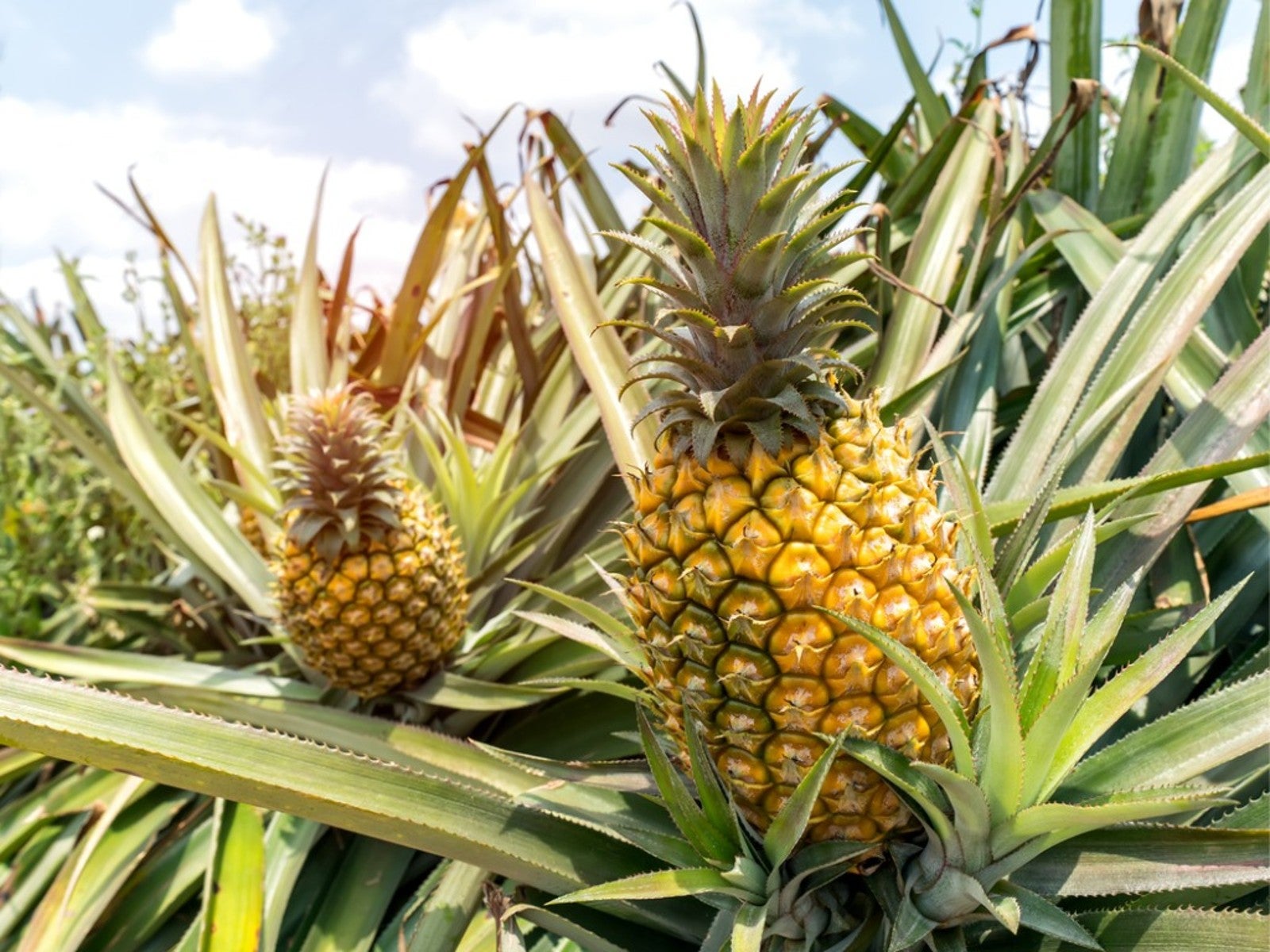
Pineapple farming could also stimulate the development of infrastructure such as roads, processing plants, and storage facilities, and enhance access to finance, attracting foreign investment and government support.
“Reducing post-harvest losses through investments in preservation and processing can minimize waste.
- DR. SADIQ UMAR ABUBAKAR GOMBE REMAINS THE NATIONAL CHAIRMAN OF SDP

- APC Only Party with Capacity to Secure Nigeria’s Future — Yilwatda

- APC Chairman Visits Plateau Attack Victims, Donates N15 Million, Pledges End to Killings

With these investments, we can ensure that more produce reaches the market, both domestically and internationally.
Pineapple is the 5th most consumed fruit in the world and holds a unique position as one of the luxury produce items in the global market.
The demand for pineapples consistently exceeds the supply, making it a highly lucrative crop.”